Who Gets a Seat at the Table?
How We Select Founders for TFC Events
Twice a year, The Founder’s Chair opens submissions for a new cohort of Founders building in insurance and wealth tech. Twice a year, we turn most of them away.
That is not a humblebrag. It’s the point of what we’re building.
Most events want more applicants. More applicants mean more visibility, more sponsorship interest, more content to promote. We want the opposite. We believe that a crowded room doesn’t serve Founders, and it doesn’t serve the Funders who trust us to bring them people worth their time. So, we stay small on purpose, and we say no more often than we say yes.
Here’s what goes into a yes…

Traction is table stakes, not the whole test
We look at revenue, growth, product maturity, and path to revenue. But those numbers only get a Founder into the conversation.
What decides the outcome is whether the Founder is ready for what happens in the room: direct, sometimes uncomfortable feedback from operators who have built and exited in this exact space.
Founders who bristle at that and who need the pitch to go their way to feel good about it are not ready for a TFC session. Founders who lean in, take notes, and push back when they disagree usually are.
We are building a room, not a list
Selection is not just about the individual Founder. It’s about fit with the specific group of Funders and Founders in that cohort.
A strong Founder in the wrong room falls flat. A Founder who might not be the most polished one on paper can be exactly what a particular group of Funders needs to see. We think about the room as a whole before we think about any one seat in it.

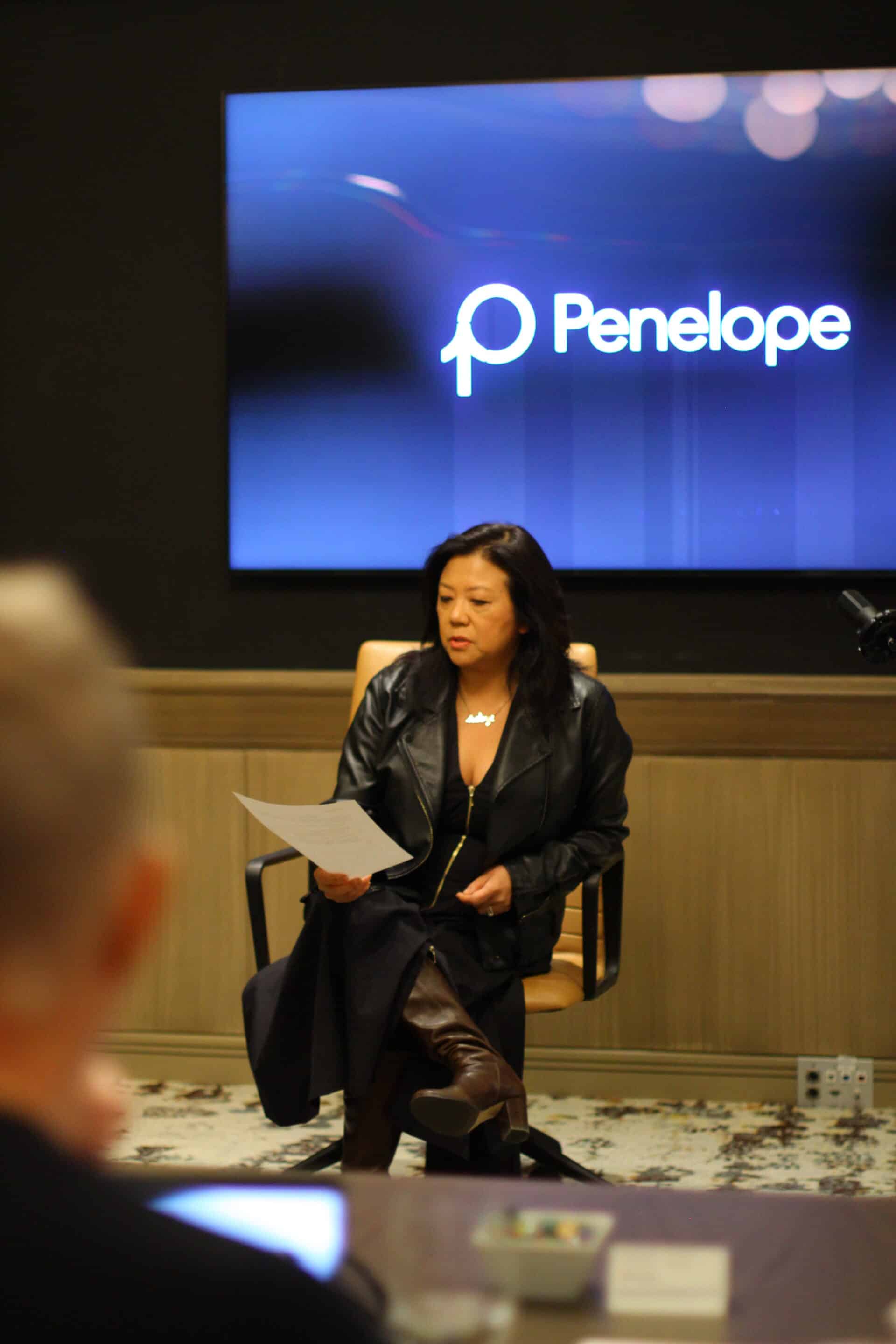
Founder Highlight:
Jean Smart of Penelope is a good example of what we mean. Jean came into the room with more than two decades of experience inside the institutions that built the modern retirement system, including Charles Schwab, TD Ameritrade, Citi, and UBS. She knew the market, knew the business, and, just as importantly, knew which questions mattered most.
There was no need to over-polish the story or pretend every answer was perfect. Jean spoke honestly about where Penelope stood and what the company was trying to solve. That maturity made the conversation better. Today, Penelope is building modern recordkeeping infrastructure for independent firms serving the retirement market, with a particular focus on giving those firms modern technology without forcing them to give up their independence, brand, or client relationships.
That is the kind of Founder we want in a TFC room: someone with enough experience to know the important stuff, enough command of the business to speak to it directly, and enough openness to have an honest conversation about what comes next.
What gets a Founder passed on
A few honest patterns we watch for: Founders who are still validating the idea rather than the business, Founders who cannot speak to their own numbers without a slide in front of them, and Founders who are looking for capital more than they are looking for feedback. None of these are disqualifying forever; they’re just disqualifying for that particular event.
The bar we set is the value
Every Founder who gets a seat at the TFC table knows something the room does not always say out loud: getting in means something. That is only true because getting in is hard. If we said yes to everyone who applied, the room would stop meaning anything, and the Funders who show up expecting a curated group would stop showing up.
Selection is not a formality before the real work starts. It is the real work. It is the promise we make to Funders that the Founders in the room are worth their time, and the promise we make to Founders that the room they are walking into is worth theirs.
That is why we turn most people away. It is also why the people we do not turn away tend to remember the room for a long time.